Blog/Engineering Intelligence··3 min
Engineering Graph vs. Knowledge Graph vs. Code Search
Compare engineering graphs, enterprise knowledge graphs, and code search, and learn which questions each architecture can answer reliably.
- engineering graph
- knowledge graph
- code search
- software architecture intelligence
- graph database

Code search finds matching text, a knowledge graph connects named facts, and an engineering graph models how software, changes, and people relate over time. They overlap, but they are not interchangeable.
Choosing the wrong model leads to confident answers with missing context. The right choice depends on the question you need to answer.
What code search does best
Code search is ideal when you know what shape of implementation you need:
- find a symbol, string, endpoint, or configuration key
- locate imports and references
- identify every implementation of an interface
- inspect the current definition of a component
Search is direct and fast. Its limitation is that the result is usually the current tree. It does not naturally explain who reviews the area, which untouched files historically move with it, or why a particular decision entered the codebase.
What a general knowledge graph does best
A knowledge graph connects entities and named relationships across a domain. In an enterprise setting, it might connect services, teams, customers, documents, incidents, and policies. It is powerful when those sources have stable identifiers and an agreed ontology.
The challenge is freshness and provenance. If relationships are manually curated or extracted from prose, the graph needs a disciplined process to remain trustworthy.
What makes an engineering graph different
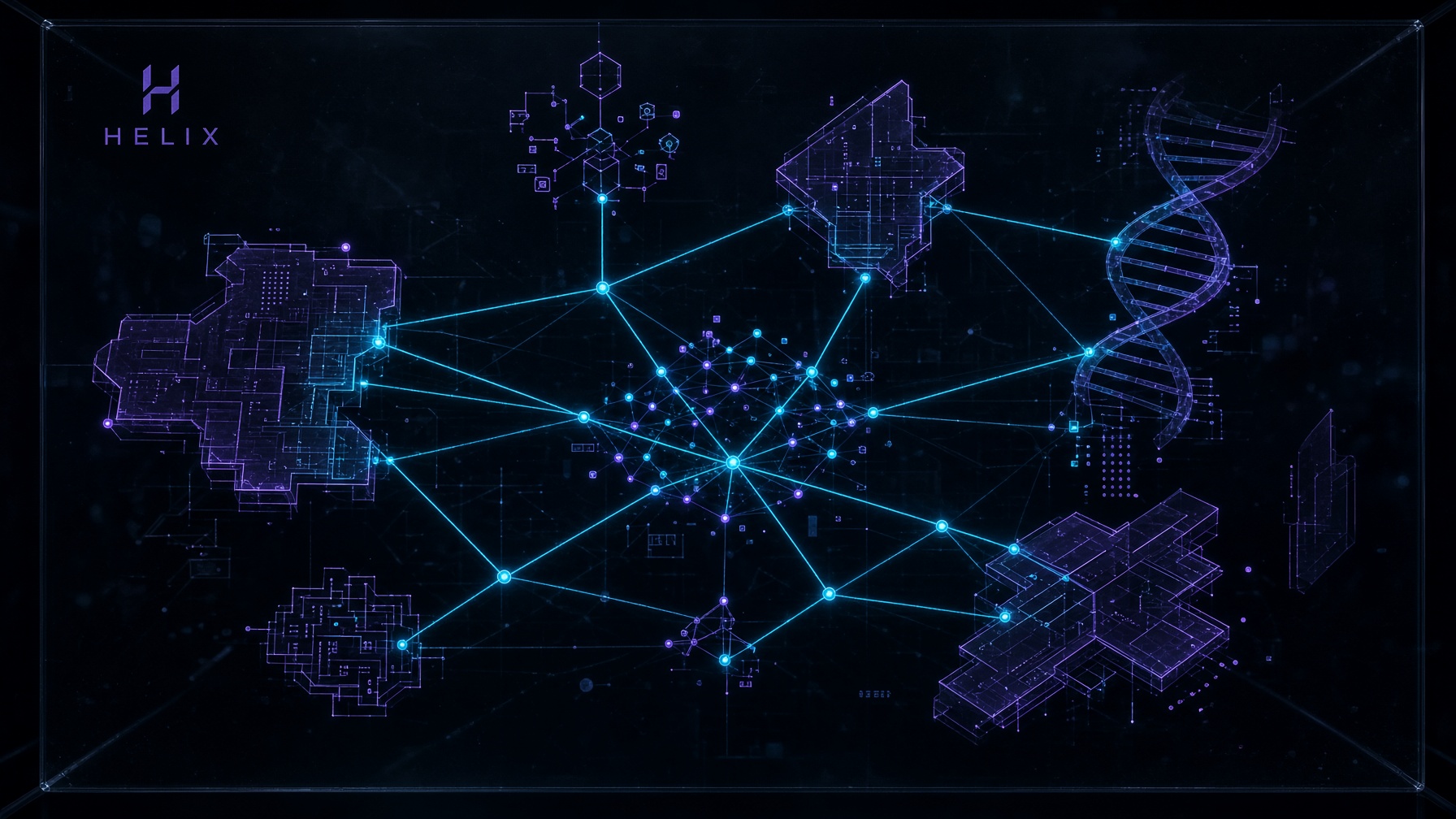
An engineering graph is specialized around evidence created by software delivery. Its core nodes include repositories, directories, files, pull requests, people, and learned patterns. Its edges represent relationships such as authored, reviewed, modified, contains, mentions, coupled, touched, and observed ownership.
Time matters. The most relevant expert is often the person with recent, repeated evidence, not the person who wrote the first version five years ago.
This model can answer questions that require both architecture and organizational history:
- Who can credibly review a change to this directory?
- Which files tend to move with the file in this pull request?
- Where is critical knowledge concentrated?
- What earlier changes explain this pattern?
- Which ownership boundaries does a proposed change cross?
Use them together
These systems are complementary. Start with code search to retrieve exact implementation details. Use an engineering graph to expand the context around a change. Connect broader operational or business entities through a general knowledge graph when the decision crosses beyond the repository.
A useful AI workflow may search for the exact function, traverse the engineering graph for recent changes and reviewers, then retrieve cited pull request evidence before composing an answer.
A selection rule
Choose the smallest system that can answer the question with verifiable evidence:
- If the answer is in the current text, use code search.
- If it depends on relationships across business domains, use a knowledge graph.
- If it depends on how code changed and who participated, use an engineering graph.
Helix focuses on the third problem. It reconstructs an Engineering Graph from merged GitHub history and exposes it through Graph, Pulse, Ask Helix, Review, and the API. Read what Helix actually connects or open a sample graph to inspect the model directly.