Blog/Engineering Intelligence··5 min
Hermes opened Bot Mode. Helix's couples lit the context compressor instead.
Pantheon / Bot Mode shipped Hermes Agent v2026.8.31. Helix indexed 9 PRs; every couple runs through the context compression loop one person owns.
- hermes-agent
- context compression
- multi-agent
- engineering intelligence
- engineering graph
NousResearch/hermes-agent just did the glamorous thing.
On 31 Aug 2026 the project shipped v2026.8.31 as The Pantheon Release. Bot Mode is built into the desktop app: named agents with faces, Discord-style group chats, @-mentions across a roster, and hermes peer so one bot can DM another. Cron jobs remember. Subagents can be steered mid-flight. The founders already opened the multi-agent society. Roughly 242k stars are watching that story.
That is Layer A. Cite the release notes. Helix did not invent Pantheon.
Here is the plot twist.
When Helix indexed the latest merged pull requests on that same repo, the exported couples did not light Bot Mode UI, peer DMs, or group-chat faces. Every couple in the crop runs through the same hub: agent/context_compressor.py.
The society is the product. The compressor is the bill.
A room full of agents is expensive in the quiet way. Each bot carries history. Each peer DM appends turns. Each cron job that "remembers" is another context that wants to stay warm. Caching and compaction are not side quests next to Pantheon. They are how a multi-agent product stays solvent once the roster fills.
Helix's coupling graph is blunt about where the recent merge energy went. Hub file agent/context_compressor.py pairs (weight 2 each) with:
agent/model_metadata.pyagent/turn_context.pyagent/turn_usage.pygateway/run_turn.pywebsite/docs/developer-guide/context-compression-and-caching.md
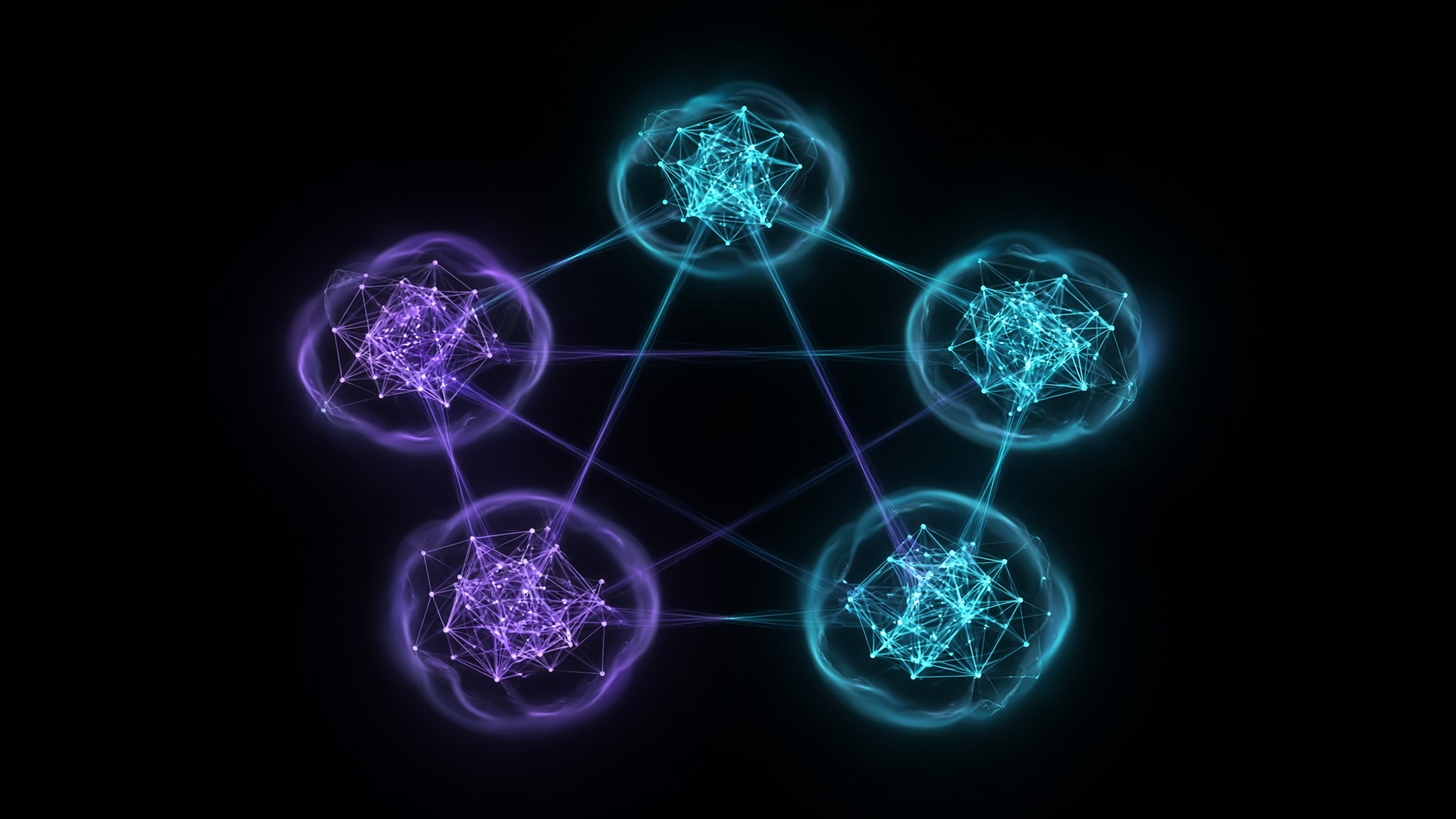
Those files also couple to each other. The whole exported couple set is one context-compression-and-caching loop: compressor, model metadata, turn context, turn usage, the gateway turn runner, and the developer guide that documents the loop. Not Bot Mode. Not Pantheon UI. The spine that decides what stays in context and what gets crushed before the next bill lands.
Who owns that spine
In this window, teknium1 is the only evidenced author on that entire compression / gateway spine (ownership score 23.9: 8 authored, 54 files). The silos Helix names on that loop are all teknium1: context_compressor.py, turn_context.py, turn_usage.py, model_metadata.py, gateway/run_turn.py, and the context-compression-and-caching doc.
kshitijk4poor shows up on the Tip Briefing salvage only (score 4): #104450 fix(chat-completions): strip name from tool-result messages for strict providers. Useful. Dull. Not Pantheon. Not compaction. Do not confuse the tip salvage with the couple hub.
The compression PR wave (in this window)
The merges that actually feed the couple hub look like a cost-center cleanup, not a society launch:
- #104575 image token cost learned from provider usage, not a flat constant
- #104570 compaction tail budget counts
api_content, not display content - #104555 compaction gates follow real provider usage, never the bytes/4 estimate
- #104526 oversized external memory prefetch no longer floods every turn
- #104527 passive profile-scoped
mcp.servers.statusgateway RPC - #104525 dual-kind memory plugin hooks no longer run twice
- #104568 API call logging carries cache write count, provider response id, and serving upstream
That is how you read a Pantheon-era merge window when the couples refuse to flatter the marketing. The society shipped. The graph is still arguing about tokens, tails, cache writes, and which usage signal is allowed to gate compaction.
One more honesty check: Pulse's hottest files in this crop are under evals/token_accounting (replay gates, image-cost calibration). Loud churn there is not the couple hub. The hub is still context_compressor.py. Do not confuse eval firehose with the compression loop Helix coupled.
Window honesty (numbers late on purpose)
The Helix index limit was set to 50. This index ingested only 9 merged PRs. Overview: 9 PRs · 57 files · 2 people · 30 commits. Pulse: 98% of files have a single author in this window. That is a thin sample, not a census of Hermes. It is still enough to see every exported couple collapse onto one person's compression spine.
Helix inference. In this nine-PR crop, the change center Helix named is the context compression / caching / turn-usage loop, owned end-to-end by teknium1, sitting beside a chat-completions tip salvage from kshitijk4poor.
Hypothesis (not a graph finding). After Pantheon opens a society of bots, the real multi-agent cost center is not the avatar roster. It is whether compression, caching, and turn accounting stay correct under concurrent agents. The evidence does not prove Bot Mode is unfinished, that teknium1 is a project-wide bus factor outside this window, or that Helix "found" Pantheon. It does show a 9-of-50 window whose couples all run through context_compressor.py, whose ownership on that spine is single-author, and whose tip is a strict-provider salvage unrelated to Bot Mode.
OpenClaw stays our live demo track. This Hermes package is research / proof-content secondary: a Layer A release hook plus a Layer B Helix read, not a swap of the demo narrative.
The lesson
When a multi-agent product ships a society, ask the unglamorous follow-up: which files are carrying the context bill, and who can change them.
For Hermes Agent, Pantheon / Bot Mode is the public story. In the nine PRs Helix could see, every couple lights the context compressor loop, and one evidenced author owns that spine.
That is the kind of thing you cannot get from the release notes alone. It is also the kind of thing you want before you treat "we shipped a society of agents" as the whole engineering story.
What would Helix find in your software?
Connect GitHub. Let a thin merge window explain itself, including the couples that refuse to match the launch post.