Blog/Engineering Intelligence··4 min
What Is Engineering Intelligence? A Practical Guide
Engineering intelligence turns repository history into evidence about ownership, risk, architecture, and how software actually changes.
- engineering intelligence
- software delivery intelligence
- code ownership
- engineering analytics
- software graph

Engineering intelligence is the evidence layer that explains how a software system changes, who understands it, and where the next change is likely to create risk. It connects code, pull requests, people, reviews, and recurring change patterns instead of reducing engineering work to activity counts.
That distinction matters. A dashboard can tell you that pull request volume increased. Engineering intelligence can help explain which directories absorbed the change, which files repeatedly moved together, who has recent experience there, and what reviewers historically required before similar work shipped.
What engineering intelligence connects
The useful unit is not a developer, repository, or metric in isolation. It is the relationship between them. A practical engineering-intelligence model should connect:
- repositories, directories, files, pull requests, and issues
- authorship and review activity with recency
- files that repeatedly change together
- observed ownership and concentrated knowledge
- change history, decisions, and the evidence behind an answer
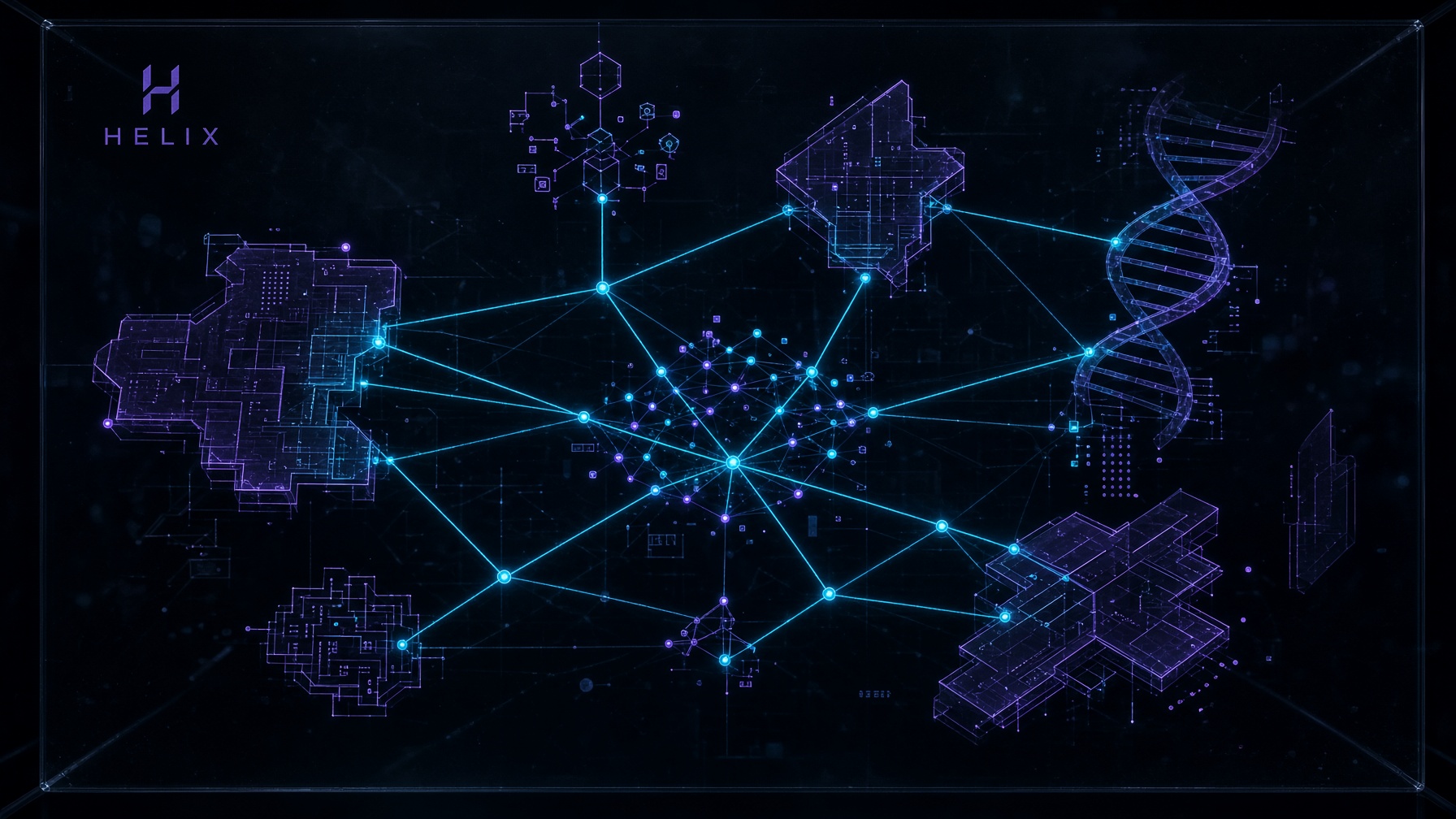
Helix represents these relationships in an Engineering Graph. The graph is built from merged pull requests, so every conclusion can lead back to the events that produced it.
Engineering intelligence versus engineering analytics
Engineering analytics usually summarizes activity: cycle time, throughput, deployment frequency, or review latency. Those metrics can expose process friction, but they rarely explain the architecture underneath the number.
Engineering intelligence adds context. If review time rises, the important question may be whether a change crossed several ownership boundaries or touched a tightly coupled subsystem. If one contributor appears highly productive, the more urgent signal may be that nobody else has reviewed or changed the same critical paths.
Use analytics to monitor the system of work. Use engineering intelligence to investigate the code-and-people relationships causing the signal.
Four questions it should answer
Who actually knows this area?
Assigned ownership and observed expertise are different. A strong answer considers authorship, reviews, recency, and the paths involved. It should identify credible reviewers without turning contribution history into an employee score.
What could this change affect?
A pull request's risk extends beyond its edited lines. Files that historically move together, directories that share reviewers, and references to earlier changes can reveal a wider blast radius.
Where is knowledge concentrated?
Bus factor becomes actionable when it points to the exact paths, recent contributors, and evidence behind the risk. Teams can then rotate reviews, pair on changes, or update ownership before a departure becomes an incident.
Why does the system look this way?
The best engineering questions are explanatory: Why is this module sensitive? Why does this reviewer keep appearing? Why do these files change together? Answers need citations to source pull requests and files, not a confidence score with no trail.
What good implementation looks like
Start with the decisions you need to improve, not a warehouse of every available event. Index merged history, preserve repository and workspace boundaries, and derive relationships that a person can inspect. Then make the evidence available where teams work: a graph for exploration, a pulse for recurring risks, a review surface for pending changes, and an answer layer for natural-language questions.
Helix follows that shape. Pulse surfaces churn, ownership silos, coupling, experts, and bus-factor risk. Ask Helix answers from graph evidence. Helix Review estimates blast radius and suggests reviewers from the same tenant-scoped graph.
The outcome is better judgment
Engineering intelligence is not another way to rank developers. Its purpose is to reduce the cost of understanding a changing system. The result should be faster onboarding, more credible review assignments, earlier risk discovery, and technical decisions that survive beyond the people who originally made them.
The test is simple: when someone asks a consequential question about the codebase, can the system answer with current, inspectable evidence? If it can, your software is beginning to explain itself.