Blog/Engineering Intelligence··3 min
The Engineering Graph is the system
Software is a connected system. Never analyze files in isolation.
- Engineering Graph
- software graph
- code relationships
- engineering intelligence
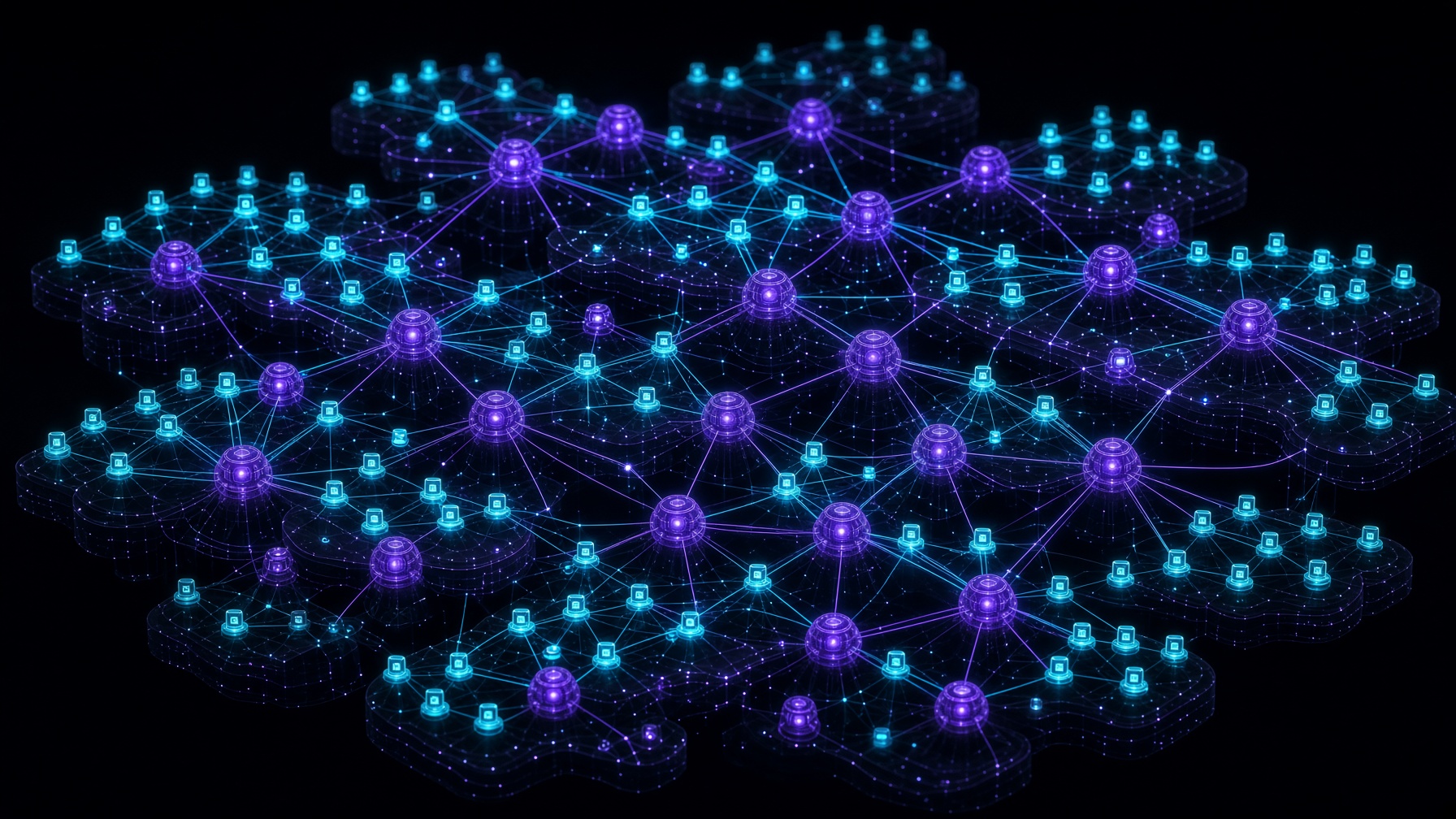
Your software isn’t just code. It’s years of decisions, architecture, deployments, incidents, and people.
Today that knowledge is stored in the wrong shapes. GitHub stores code. Jira stores work. Confluence stores documents. Datadog stores telemetry. None of them stores understanding.
A file opened in isolation is a rumor. A file that always ships with checkout.ts, was last reviewed by one person, and sat on the blast radius of Incident 52: that is a fact. The Engineering Graph is how Helix holds facts.
Relationships, not folders
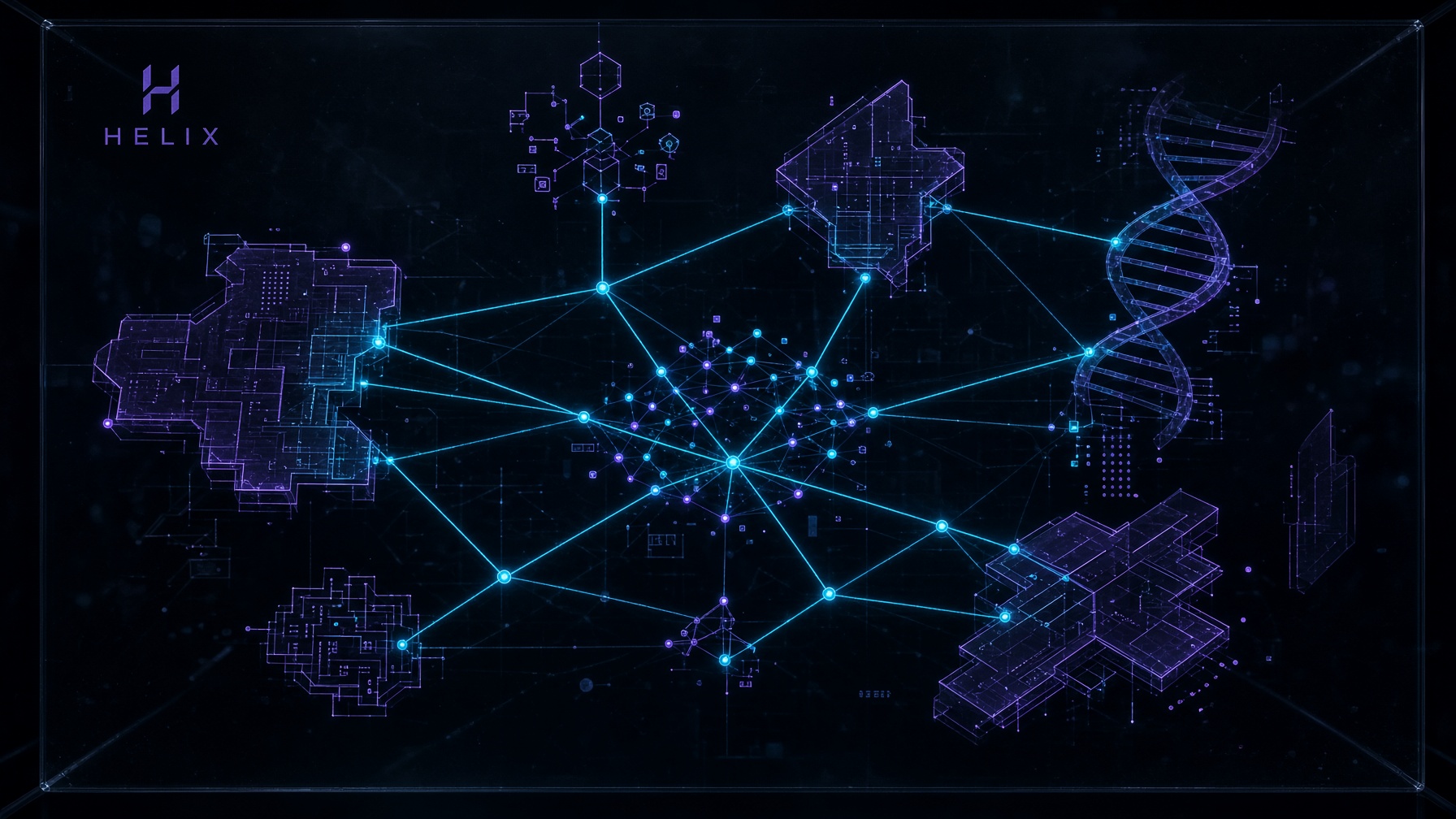
The graph represents the software system as relationships instead of disconnected tools. It connects:
- Code
- Pull requests
- Engineers
- Directories
- AI agents
- Documentation
- Architecture
- Incidents
- Deployments
- Infrastructure
- Business capabilities
A repository tree is a filing cabinet. A graph is a memory. The cabinet tells you where a file lives. The memory tells you why it keeps moving with payments, who is safe to review it, and whether the last change mentioned an incident.
Deterministic first
Helix prefers deterministic reasoning before AI reasoning. The graph is evidence: authors, reviewers, files, merged titles, timestamps, #N mentions. Ask Helix reconstructs an answer from those edges and cites them. If the graph does not support a claim, Helix does not invent one.
const hits = retrieveEvidence(engine, "Who owns src/checkout.ts?", 8);
for (const hit of hits) {
  answer.push({ claim: hit.summary, id: hit.id, url: hit.url });
}
Separate facts from inference. Every recommendation must have evidence. That is how you build a product engineers trust.
How questions get answered
When engineers ask Why do we use Redis? or What changed before Incident 52?, Helix does not search a wiki. It walks the graph and reconstructs understanding.
That walk is the same walk Helix Review uses to decide ship / review / hold. The canvas, Pulse, Ask, the API, and the GitHub comment are views of one model. If those views ever disagree, the graph is wrong: not the copy.
What changes when the graph is the system
Onboarding becomes a set of clicks instead of a scavenger hunt. Staffing becomes “this folder has one TOUCHED person.” Review becomes “the owner of this silo is not on the pull request.” Agents stop guessing from a README and start querying /api/v1.
Information is a document you might find. Understanding is a connected explanation you can verify.
The Engineering Graph is that explanation, kept alive as the team ships. Open Helix and index a repository. Then ask the question your wiki cannot cite.