Blog/AI Engineering··3 min
RAG for Codebases: Why Graph Retrieval Beats Chunk Search
Graph retrieval gives codebase RAG relationship and change context that chunk similarity misses, producing more relevant and inspectable answers.
- RAG for codebases
- GraphRAG
- code retrieval
- AI engineering
- repository context
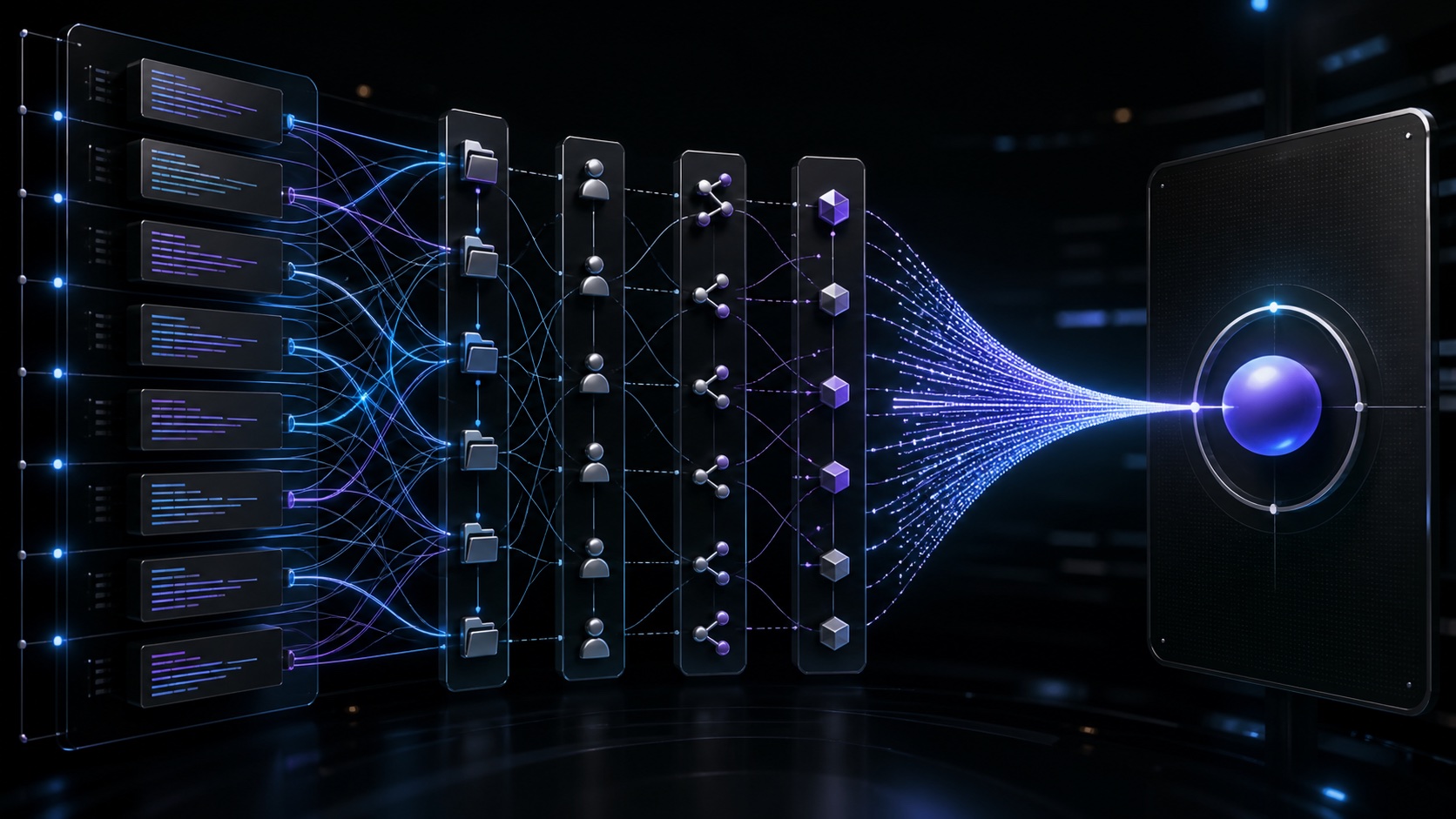
RAG for codebases works better when retrieval follows software relationships, not only semantic similarity between text chunks. A graph can expand from a file or pull request to its directory, coupled files, authors, reviewers, and earlier changes, then give the model a smaller and more relevant evidence set.
Chunk search remains useful. The failure comes from asking it to represent relationships it was never designed to preserve.
Where vector retrieval falls short
Embedding-based retrieval finds passages that resemble the query. That helps with “where is token validation implemented?” It is less reliable for questions such as:
- Who should review a change to token validation?
- Which files usually change with it?
- Why was this exception added?
- Is knowledge of this path concentrated?
- What similar change was reviewed successfully?
The relevant answer may live across code, pull request discussion, metadata, and change history. Those items may not be semantically similar enough to land in the same top-k result.
Add an engineering graph
Model the evidence as nodes and relationships. A query can begin with the file that matched semantically, then traverse controlled edges:
- file → containing directories and repository
- file → pull requests that modified it
- pull request → author, reviewers, mentions, and sibling files
- file → historically coupled files
- path → recent experts and ownership concentration
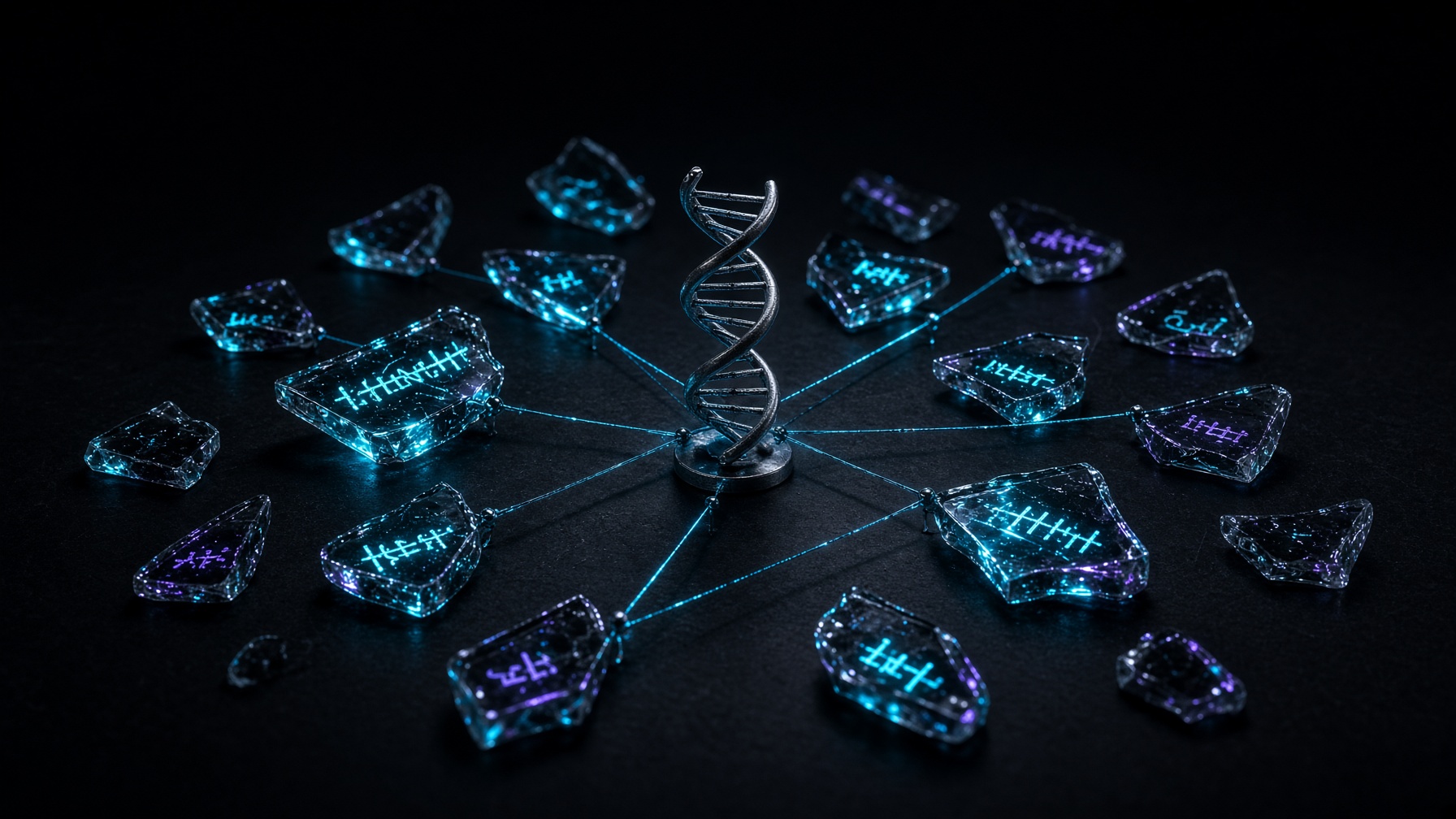
This expansion creates structural context. The retriever knows why an item is included and can carry that relationship into the citation.
Use hybrid retrieval, not graph-only retrieval
Graphs are not a replacement for exact or semantic search. A robust pipeline combines them:
- Parse the question into likely entities and intent.
- Use lexical or vector search to find candidate files and pull requests.
- Resolve candidates to graph nodes.
- Traverse only relationship types relevant to the question.
- Rank evidence by recency, relationship strength, and source quality.
- Generate an answer that cites the selected nodes.
Bound the traversal. Pulling every neighboring node recreates the context-window problem in graph form.
Retrieval quality needs an evidence contract
Define what the answer must show. A reviewer recommendation should cite recent authorship or review on the affected path. A coupling claim should cite repeated co-change. An ownership answer should identify the evidence window and distinguish assigned from observed ownership.
If the retriever cannot satisfy that contract, return an incomplete-evidence state. A cautious answer is more valuable than a fluent guess.
How Helix applies the model
Helix builds an Engineering Graph from merged pull requests, then uses graph retrieval for Ask Helix and change review. Facts such as authors, reviewers, files, and timestamps remain deterministic. An optional model can synthesize the retrieved evidence, while a graph-grounded fallback keeps the core answer available.
Read GraphRAG is not a wiki for the architectural distinction, or open Helix and ask a question against an indexed repository.
The practical advantage of graph retrieval is not that graphs sound sophisticated. It is that software questions are relational. The retrieval system should preserve those relationships all the way to the answer.