Blog/AI Engineering··3 min
Why AI Code Review Needs Organizational Context
AI code review becomes more trustworthy when it sees ownership, coupling, prior decisions, and review history, not only the current diff.
- AI code review
- organizational context
- engineering intelligence
- code review automation
- evidence grounded AI

AI code review needs organizational context because correctness depends on more than syntax and the current diff. A useful reviewer must understand ownership, historical coupling, sensitive paths, earlier decisions, and who can validate the change.
Without that context, AI can identify local code smells while missing the reasons a change is risky for this system and this team.
The diff is necessary but incomplete
A diff shows what changed. It does not automatically show:
- an untouched file that normally changes with the edited path
- the migration or rollout pattern used by earlier changes
- a directory maintained by a different team
- the reviewer who repeatedly catches problems in this subsystem
- a decision documented in a related pull request
- concentrated knowledge around a critical component
These are not edge cases. They are part of how engineering organizations keep software safe.
Organizational context is repository evidence
Context should not mean feeding private chat history or performance profiles into a model. Start with inspectable delivery evidence: merged pull requests, changed files, authorship, reviews, timestamps, references, and co-change patterns.
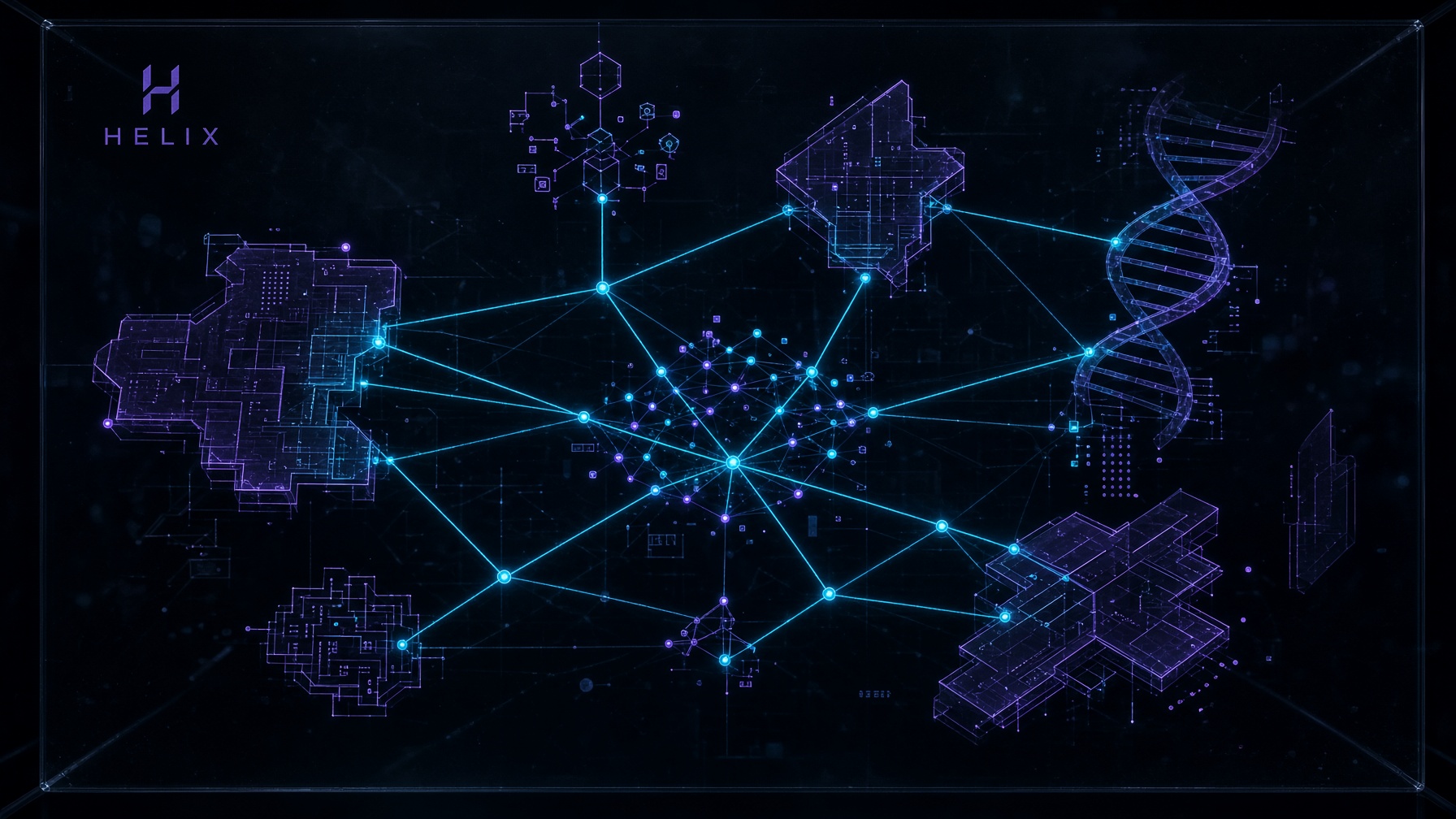
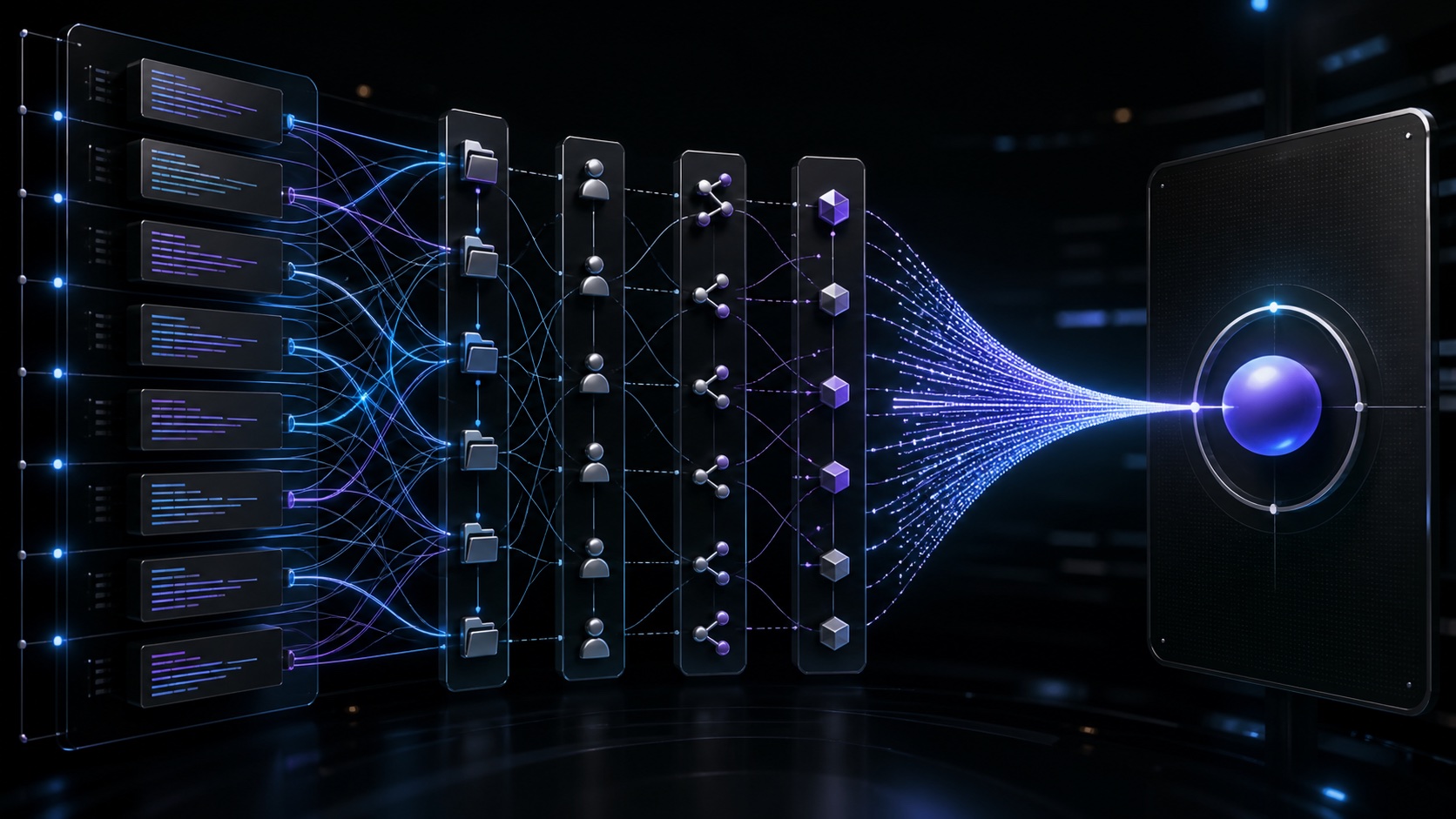
An Engineering Graph connects those facts. The model can retrieve the paths and people related to a proposed change and explain the relationship that made each item relevant.
Five questions an AI reviewer should answer
What is the likely blast radius?
Combine changed paths with historical coupling, directory boundaries, churn, and sensitive areas. The answer should distinguish direct edits from inferred impact.
Who has credible context?
Suggest reviewers based on recent authorship and review evidence for the affected paths. Show more than one candidate when possible and flag concentrated knowledge.
Which precedent matters?
Retrieve earlier pull requests that touched the same or coupled paths. Prior review discussion may contain the constraint the current diff does not reveal.
What evidence is missing?
If the repository lacks tests, reviewers, or comparable history, say so. Uncertainty should change the recommendation instead of disappearing inside polished prose.
What should a human decide?
AI can organize evidence and identify risk. Accountability for tradeoffs, production impact, and merge approval remains with the team.
Design the system around citations
Require every consequential claim to point to a source node: file, directory, pull request, person relationship, or learned pattern. Separate deterministic facts from model synthesis in the interface. Keep retrieval tenant-scoped, and do not allow a client-supplied workspace identity to choose the data boundary.
Then evaluate the system on decision quality: Did it surface the missing reviewer? Did it catch an affected coupled file? Could the team verify the recommendation quickly? Generic comment volume is not the goal.
From code comments to change intelligence
The next generation of AI review will not win by producing more annotations. It will win by helping teams understand the change in the context of how their software is actually built.
Helix Review applies this evidence-first model and returns a transparent ship, review, or hold recommendation. For the underlying method, see the pull request blast-radius guide or try it on an indexed repository in Helix.