Blog/Engineering Intelligence··3 min
Every team has Engineering DNA
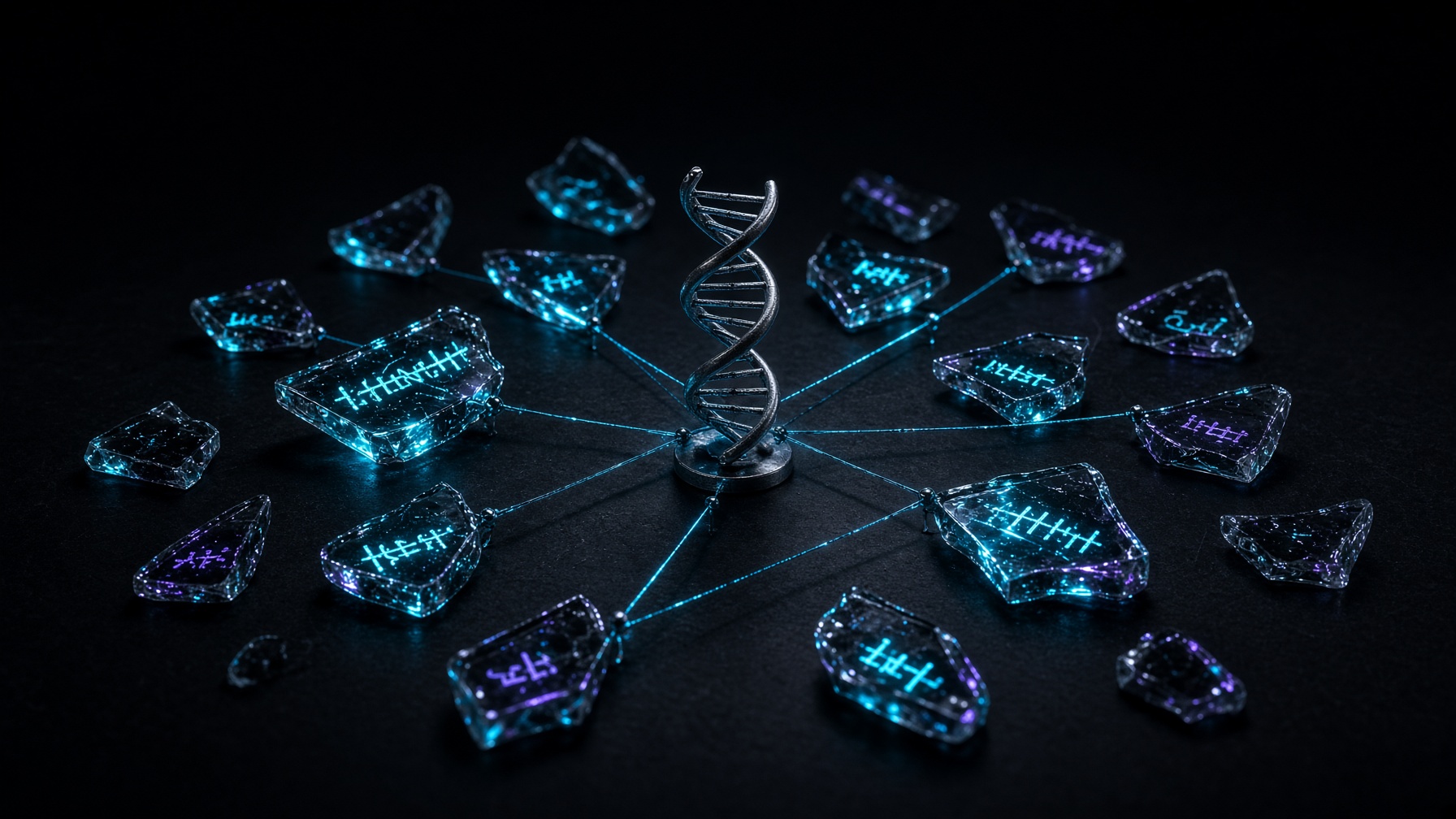
Helix learns the patterns that make your organization successful, and helps every engineer build with them.
- Engineering DNA
- software patterns
- engineering intelligence
- organizational knowledge

Every engineering team works differently. That is not a bug. It is DNA.
It lives inside years of decisions, architecture, incidents, reviews, and experience. How authentication changes are reviewed. Which deployment strategies succeed. Which architectural decisions reduce incidents. Which testing strategies work. Which AI agents perform well for different tasks.
Most organizations cannot see that DNA. They feel it as “the way we do things here,” until the people who carried it leave.
Discover, preserve, improve
Helix does not start from a maturity model. It starts from merge history.
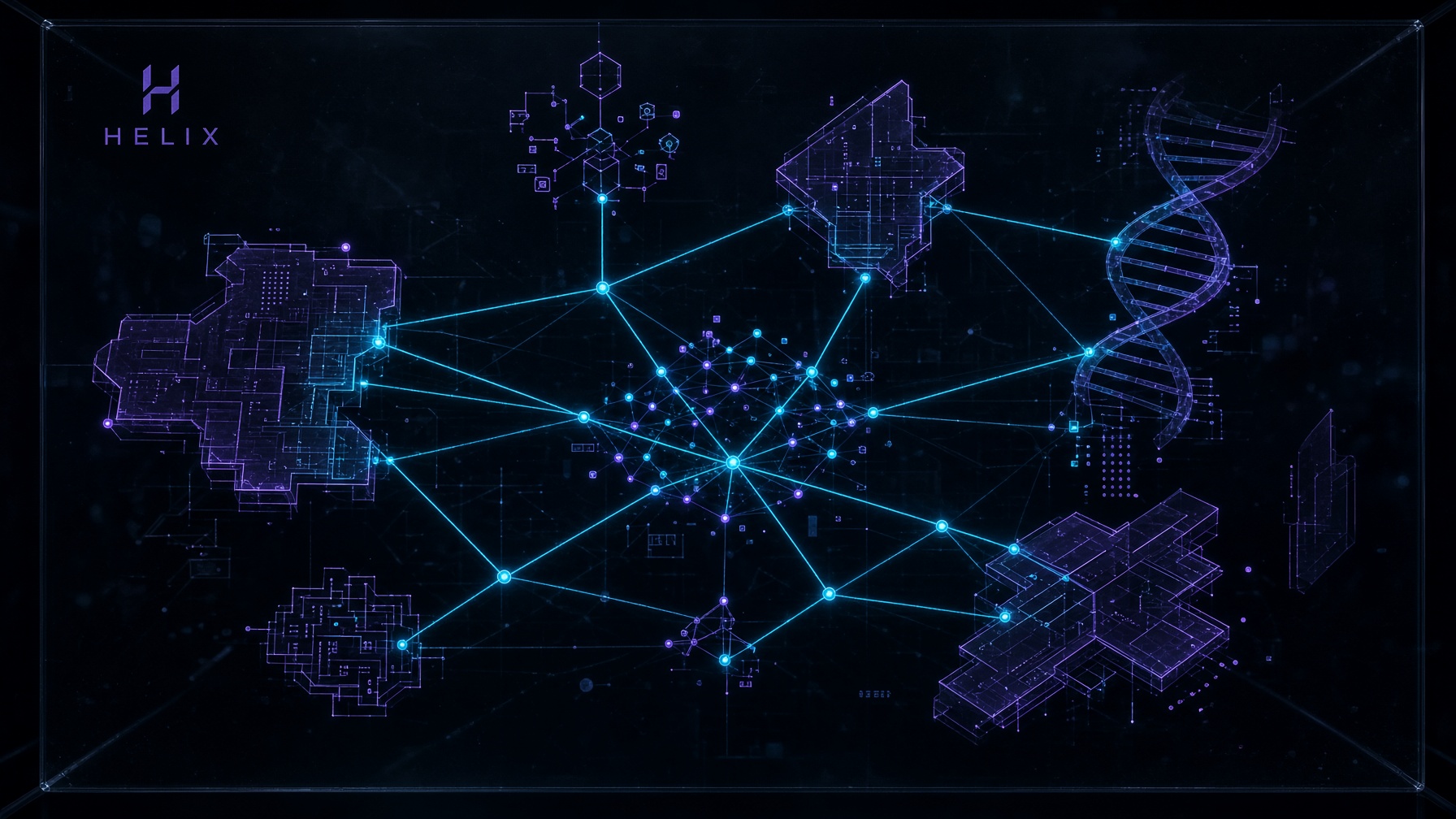
Discovery is the graph: who authored, who reviewed, which files moved together, which folders absorbed the blast radius. Preservation is the agent loops writing those observations back as pattern nodes, generation after generation. Improvement is using the DNA at the moment of a decision, Ask Helix, Pulse, Helix Review, instead of a style guide nobody opens.
Generic best practices tell you how a hypothetical team works. DNA tells you how this team actually ships.
DNA is not a vibe
A vibe cannot be cited. A pattern node can. “This team reviews hottest files with two people” is a claim with REVIEWED edges behind it. “Checkout is coupled to payments” is a COUPLED edge with a count. If the count is one, Helix should not speak as if it were a law.
The DNA loop is conservative on purpose. It encodes what the window of indexed pull requests will still admit. It does not flatten a culture into a poster.
if (hotFilesReviewedByAtLeast(2)) {
  encode("dna", "review-hottest-in-pairs");
}
That snippet is closer to the product than a page of values.
Why the name is the product
A helix is memory, evolution, and patterns over time. GIT records what changed. HELIX remembers why. The name is not a metaphor glued onto a dashboard. It is the claim: engineering knowledge should compound instead of decay.
When a staff engineer leaves, the DNA should still be queryable. When an agent opens a pull request, the DNA should still constrain the verdict. When a new hire asks “how do we review auth?”, the answer should be a set of citations, not a shrug.
See your team’s DNA as it encodes. Open Helix and let the loops write it where everyone, and every agent, can click it.