Blog/Engineering Intelligence··3 min
How to Preserve Tribal Knowledge in Software Teams
Preserve engineering knowledge by capturing decisions in real work, connecting them to code, and making the evidence discoverable when teams need it.
- tribal knowledge
- engineering knowledge management
- developer onboarding
- software documentation
- decision history

Preserve tribal knowledge by capturing decisions in the flow of engineering work, linking them to the code they affect, and making the evidence retrievable later. A larger wiki is not enough if it is separated from the pull requests, files, and people that keep changing.
The objective is not to document everything. It is to make consequential context survive a handoff, reorganization, incident, or onboarding week.
Identify knowledge at risk
Look for code paths where the cost of misunderstanding is high and the evidence is concentrated:
- only one recent author or reviewer
- sensitive systems with few changes and little current practice
- high-churn areas whose rationale changes quickly
- repeated review comments that never become durable guidance
- migrations, releases, or incident recovery known by one operator
Repository history can expose where to focus. A path-level bus-factor analysis is more actionable than asking every maintainer to write a general system overview.
Capture decisions, not tours
Architecture tours decay because they describe the system at one moment. Decision records age better. For each non-obvious change, preserve:
- the constraint or failure that prompted it
- alternatives considered
- the path, pull request, or incident involved
- the chosen tradeoff
- conditions that would justify revisiting it
The pull request already contains much of this material. Improve the description and link the related issue or earlier change rather than copying a second version into a disconnected document.
Make ownership observable
An org chart says who should know. Merge and review history shows who has recent evidence. Keep both. Assigned owners are essential for accountability; observed authors and reviewers help a new teammate find the person who can explain the current behavior.
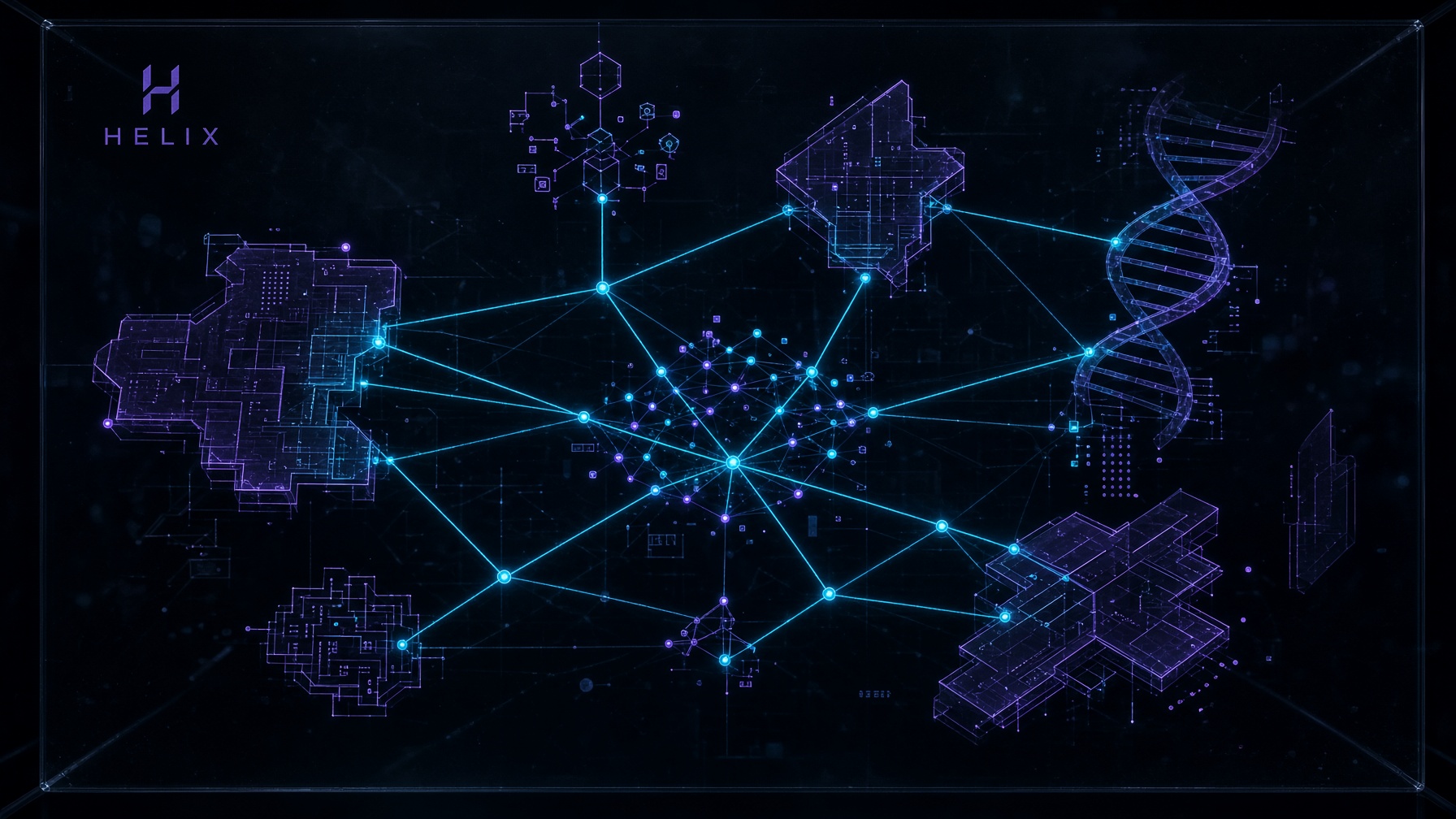
Helix reconstructs directories, authorship, review, mentions, coupling, and observed ownership from merged history. Ask Helix can then answer a question with links back to the graph evidence rather than sending a new hire on a sequence of introductions.
Transfer knowledge through real changes
The strongest transfer happens while the system is being changed. Pair a developing maintainer with the current expert, rotate meaningful reviews, and let the new owner run the release or rollback path. A recorded meeting may explain a component; a completed change proves that another person can operate it.
Use a small progression:
- Observe a real change and inspect its evidence.
- Review the next change with the expert.
- Author a bounded change with expert review.
- Perform the operational step independently.
- Confirm ownership and review coverage broaden in later history.
Give AI the same evidence boundary
AI can summarize decisions and answer onboarding questions, but only if retrieval includes the relevant repository history. Generic embeddings often return a similar code fragment without the review discussion or organizational context that explains it.
Ground answers in source nodes and show citations. If the evidence is incomplete, the system should say what is missing instead of inventing a policy.
Measure resilience, not document volume
Count outcomes: credible secondary reviewers, independently completed changes, exercised recovery paths, and reduced concentration on critical directories. Pages written and videos recorded are inputs, not proof.
Start by mapping code ownership, then use Helix to keep the evidence connected as the repository changes. Tribal knowledge becomes organizational knowledge when another person can find it, verify it, and use it to act.