Blog/Product Updates··3 min
Change intelligence is a closed loop
Index, learn, ask, review, merge. Then the graph is smarter than it was yesterday.
- change intelligence
- Helix workflow
- engineering graph
- code review
Most developer tools are a moment: a search, a review, a dashboard. They reset when you close the tab. Engineering knowledge does not work that way. It compounds, or it decays.
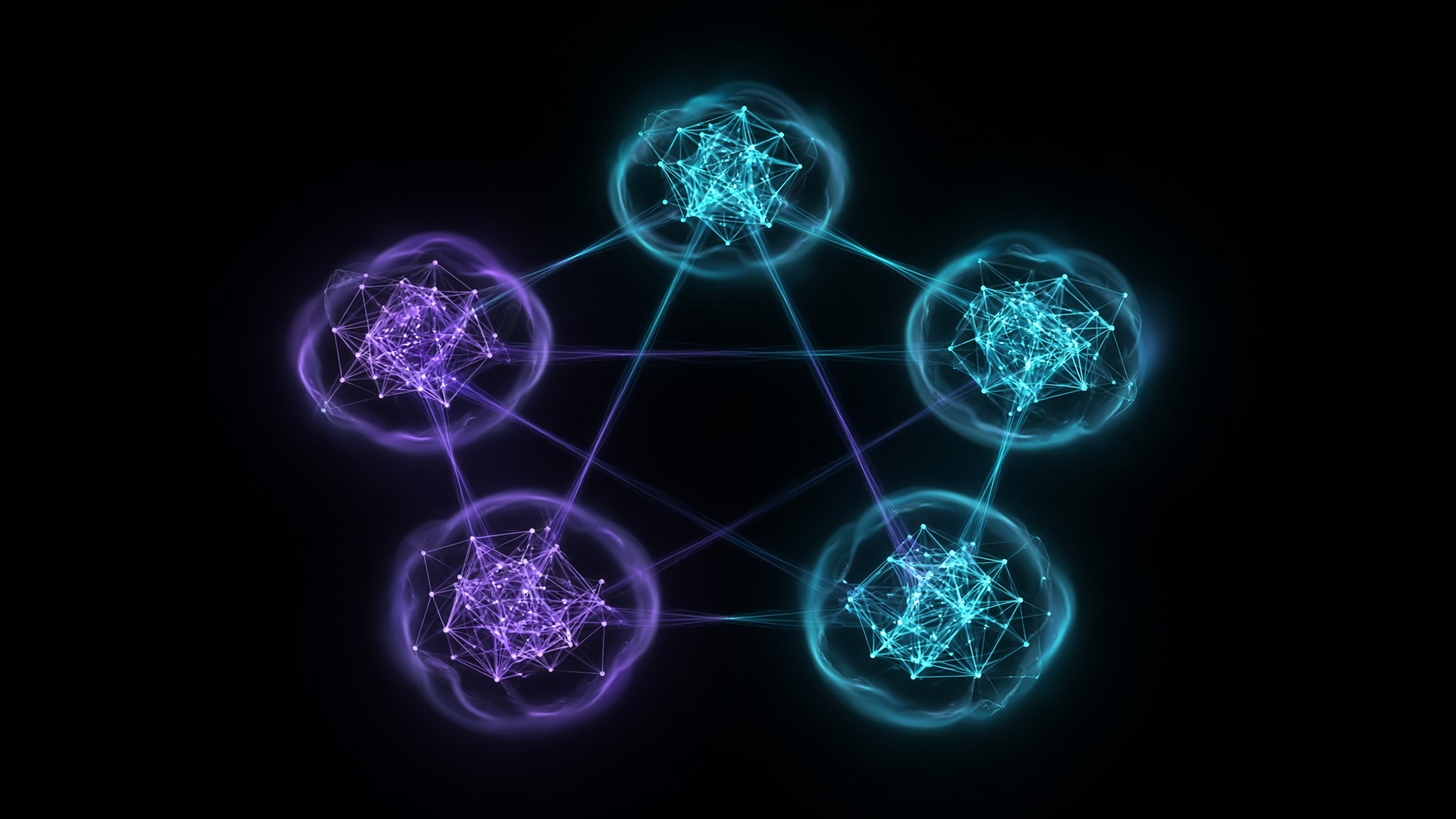
Change intelligence is the closed loop. Helix is built so each merge makes the next merge easier to understand.
The loop
- Index merged pull requests. People, files, directories, mentions.
- Learn with agent loops. Silo, Coupling, Expertise, DNA, Memory write patterns back onto the graph. Generations count up. Pause keeps the number. Resume continues from it.
- Ask cited questions. Who owns
src/? What ships with checkout? - Review the next pull request. Blast radius, reviewers, ship / review / hold.
- Merge. The next index sees the new edges. The loop tightens.
Nothing in that list requires a model to invent a story. Models can phrase the answer. The graph supplies the facts.
graph.generation = 12;
graph.learning = true;
// pause
graph.learning = false;
// reload: generation is still 12
// resume: generation 13 is the next cycle
If the graph forgot the generation every time you reloaded the workspace, it would not be a memory. It would be a screensaver with a counter.
Why “AI code review” is not the loop
A model that reads a diff and writes a paragraph is an opinion. Sometimes it is a useful opinion. It is not change intelligence, because it does not persist what the organization already proved.
The next intern should not have to rediscover that payments and checkout are coupled. The next agent should not have to guess who can review auth. Those are edges. They should still be there after the laptop sleeps.
Closed loop, open evidence
Every pattern node has a generation. Every Ask answer has citations. Every Helix Review comment has a hidden marker so it updates in place. The loop is closed operationally and open inspectably. You can click the pattern. You can pause the loops. You can disagree with a verdict because you can see the walk.
That is how software starts to explain itself: not with a larger context window, but with a graph that is allowed to remember.
Run the loop on a repository you actually ship. Open Helix: the generations keep counting until you pause them.